
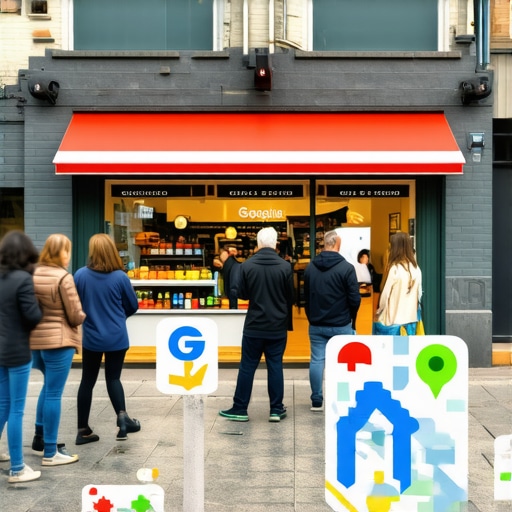
Elevating Local Business Visibility: The Strategic Imperative for 2025
In an increasingly competitive digital landscape, local business owners must harness advanced SEO techniques to dominate Google Maps rankings and organic search results. As algorithms evolve, understanding the nuanced interplay between local SEO signals and user intent becomes crucial. This article dissects proven strategies, backed by industry research such as Moz’s local SEO ranking factors, to empower businesses in their quest for visibility and growth.
Decoding the Complexities of Google Maps Optimization
What Are the Critical Factors That Influence Map Pack Rankings?
Google Maps rankings are driven by a multifaceted algorithm that considers proximity, relevance, and prominence. Incorporating precise NAP (Name, Address, Phone Number) consistency across directories, leveraging authoritative backlinks, and optimizing Google My Business (GMB) profiles with high-quality images and accurate category selections are foundational. Yet, recent shifts emphasize user engagement metrics like reviews and check-ins as potent signals for local prominence.
Leveraging Advanced Local SEO Techniques for Organic Growth
Beyond basic listing optimization, deploying structured data markup, particularly LocalBusiness schema, enhances search engines’ understanding of your offerings. Integrating hyper-local keywords naturally into content, such as neighborhood-specific phrases, boosts relevance. Additionally, fostering community engagement through local partnerships and generating authentic user-generated content creates a network effect that elevates both organic and map rankings.
How Can Smart Content Strategies Amplify Local Visibility?
Content tailored to local interests, such as neighborhood guides or event coverage, positions your business as an authority in the community. Rich, keyword-rich blog posts complemented by strategic internal links to core service pages—for instance, mastering SEO for Maps—enhance discoverability. Incorporating multimedia elements like videos and virtual tours also improves user engagement metrics, indirectly influencing rankings.
Is Your Business Prepared for the Evolving Search Ecosystem?
As local search algorithms become more sophisticated, staying ahead necessitates continuous monitoring and adaptation. Regularly auditing your Google My Business profile, analyzing local keyword performance, and updating content based on seasonal trends or emerging community events are vital. Utilizing tools like BrightLocal or Whitespark can provide actionable insights to refine your strategy.
How Does Reputation Management Impact Local SEO Success?
Reviews and star ratings remain a cornerstone of local SEO. Encouraging satisfied customers to leave positive feedback and promptly addressing negative reviews build trust and influence both consumer decision-making and algorithmic favorability. Implementing a systematic review acquisition process, supported by automated email campaigns, ensures a steady influx of fresh reviews, thereby strengthening your local authority.
For further insights, consult authoritative sources like Moz’s guide to local SEO ranking factors. Staying informed about algorithm updates and industry best practices is essential for maintaining a competitive edge in 2025.
Interested in refining your local SEO tactics? Explore our comprehensive guide to crafting a winning SEO strategy or share your expertise with fellow professionals by contributing to our community discussion.
Harnessing Local Data Insights for Competitive Edge
Successful local SEO in 2025 hinges on leveraging granular data analytics to understand customer behavior and search patterns. Using tools like Google Trends and local keyword research platforms helps identify emerging trends and optimize content accordingly. For example, analyzing search queries specific to your neighborhood or industry can reveal untapped opportunities, allowing you to tailor your services and content to meet evolving consumer demands.
What Are the Hidden Signals That Influence Map Pack Dominance?
While proximity, relevance, and prominence remain core factors, new signals are surfacing, such as voice search compatibility and mobile-first indexing. Optimizing your Google My Business (GMB) profile for voice commands—like including conversational keywords—can significantly boost visibility. Additionally, ensuring your website is fully optimized for mobile devices enhances user experience, which search engines interpret as a sign of authority and reliability. To stay ahead, consider implementing structured data markup with schema.org LocalBusiness schema for enhanced contextual relevance.

Are You Using the Right Content Mix to Capture Local Audiences?
Content strategies should go beyond generic posts. Focus on hyper-local storytelling, customer spotlights, and community involvement to foster genuine engagement. Video content, virtual tours, and interactive maps can greatly increase user dwell time and encourage shares, further boosting your local signal strength. Regularly updating your content based on seasonal trends or local events demonstrates active community involvement, which search algorithms favor.
How Can You Future-Proof Your Local SEO Efforts?
Keeping pace with algorithm updates requires a proactive approach. Regularly auditing your Google Business Profile, monitoring local keyword performance, and adapting your strategy accordingly are crucial steps. Utilize analytics tools like BrightLocal or Whitespark to gain competitive insights and identify gaps in your local presence. Also, stay informed through authoritative industry sources, such as Moz’s comprehensive guide to local SEO factors, which provides in-depth analysis of evolving ranking signals.
What Innovations Will Shape Local Search in the Coming Years?
Emerging technologies like AI-driven personalization, augmented reality, and real-time customer engagement will redefine local search landscapes. For instance, integrating AR features into your marketing can provide immersive experiences that attract local foot traffic. Preparing for these innovations involves adopting flexible SEO frameworks and investing in new digital tools that facilitate real-time interaction and personalized experiences.
If you found these insights valuable, consider sharing your thoughts or questions in the comments below. Want to deepen your understanding? Explore our comprehensive guide to crafting a winning SEO strategy for 2025 and beyond. Staying informed and adaptable is key to dominating local search results this year and next.
Harnessing Hyper-Local Data for Precision Targeting
In the realm of local SEO, leveraging hyper-local data is no longer optional but essential for those aiming to outpace competitors. Tools like Google Trends, combined with specialized platforms such as SEMrush’s Geo-Targeting feature, enable marketers to identify nuanced search patterns specific to neighborhoods or even street-level areas. This granular data allows businesses to tailor their content and advertising campaigns, ensuring they resonate with highly targeted audiences. For example, a bakery might discover a surge in searches for gluten-free options in a specific district and promptly optimize their menu and online presence accordingly.
Elevating Voice Search Optimization for Local Results
With voice-activated devices becoming ubiquitous, optimizing for voice search has taken center stage. Unlike traditional text-based queries, voice searches tend to be conversational and question-oriented. To capitalize on this trend, businesses should incorporate long-tail keywords that mirror natural language, such as “Where can I find vegan-friendly restaurants near me?” Additionally, structuring content to answer common local questions in a concise manner—using featured snippets or Q&A sections—can significantly enhance visibility in voice search results. According to a 2024 analysis by BrightLocal, voice search now accounts for nearly 30% of all local mobile searches, underscoring its strategic importance.
Can AI Personalization Revolutionize Local Customer Engagement?
Artificial intelligence is increasingly enabling hyper-personalized customer experiences. By integrating AI-driven chatbots and recommendation engines into local business websites, companies can offer tailored suggestions based on user location, browsing history, and preferences. For instance, a local fitness studio could use AI to recommend personalized class schedules or wellness tips to visitors, boosting conversion rates and fostering loyalty. Moreover, AI analytics can identify emerging local trends faster than manual methods, allowing proactive adjustments to marketing strategies. As Gartner predicts, by 2026, over 70% of local businesses will adopt AI tools to enhance customer engagement and operational efficiency.
What Role Will Augmented Reality Play in Future Local Search Engagement?
Augmented reality (AR) has the potential to transform how consumers interact with local businesses. Imagine a shopper walking through a city street, using an AR app that overlays reviews, discounts, and product information in real time as they view storefronts through their smartphone. This immersive experience not only enhances engagement but also increases foot traffic and sales. Retailers and service providers should begin experimenting with AR integrations—such as virtual tours, interactive maps, and product visualizations—to stay ahead of the curve. As AR hardware becomes more affordable and widespread, early adoption will be a critical differentiator in competitive local markets.
Ready to Elevate Your Local SEO Game?
Implementing these advanced strategies requires a nuanced understanding of evolving algorithms and consumer behavior. Stay informed by regularly consulting authoritative sources like Moz’s latest updates on local ranking factors and industry case studies. Experiment with new tools, analyze your performance metrics, and adapt your tactics proactively. Remember, in the highly competitive landscape of 2025, those who innovate and refine their local SEO approach will dominate the search results and local foot traffic. For personalized guidance, consider consulting with local SEO experts who can craft tailored strategies aligned with your specific business goals.
Harnessing the Power of Local Data to Outperform Competitors
In the hyper-competitive world of local search, leveraging granular data analytics is essential for gaining a strategic advantage. Advanced tools like SEMrush’s Geo-Targeting and Google Trends enable marketers to pinpoint emerging search patterns at the neighborhood or even street level. By analyzing these insights, businesses can craft hyper-targeted content and hyper-local advertising campaigns, ensuring resonance with specific community segments. For instance, a boutique coffee shop might discover a surge in organic searches for eco-friendly cafes in their area, prompting them to highlight sustainable practices prominently in their marketing efforts.
Elevating Voice Search Optimization for Local Results
The rapid adoption of voice-activated devices has transformed consumer search behavior, making voice optimization a top priority. Unlike traditional queries, voice searches tend to be conversational and question-oriented. To capitalize on this trend, businesses should incorporate long-tail, natural language keywords—phrases like, “Where can I find organic produce nearby?”—into their content. Structuring FAQs and featured snippets around common local questions can further enhance visibility. According to BrightLocal’s recent analysis, nearly 30% of all local mobile searches are voice-based, underscoring the importance of voice-friendly SEO tactics.

Integrating AI and Augmented Reality to Revolutionize Customer Engagement
Artificial intelligence and augmented reality (AR) are poised to redefine how local customers interact with brands. AI-powered chatbots and recommendation engines enable hyper-personalized experiences by analyzing user behavior and preferences, fostering loyalty and increasing conversions. Meanwhile, AR offers immersive, real-world interactions—imagine a virtual try-on feature for a retail store or an interactive map guiding customers to hidden gems in their neighborhood. Early adopters of AR in local marketing are already seeing increased foot traffic and higher engagement rates, positioning themselves at the forefront of innovation.
Prepare for the Future: Embrace Next-Generation Local Search Technologies
To stay ahead in the evolving landscape, businesses must anticipate technological advancements like AI-driven personalization, augmented reality, and real-time data integration. Regularly updating your local SEO strategy to include these innovations is crucial. Monitoring performance through advanced analytics platforms such as Whitespark or BrightLocal can reveal new opportunities and areas for refinement. Additionally, staying informed through authoritative sources like Moz’s latest reports on local ranking factors ensures your tactics remain aligned with industry best practices. The future belongs to those who proactively adapt and innovate.
What is the role of structured data in enhancing local search visibility?
Structured data, especially schema markup like LocalBusiness schema, plays a pivotal role in helping search engines understand your content and context more precisely. Proper implementation can lead to enhanced rich snippets, which attract higher click-through rates and improve your local ranking signals. According to Google’s official developer documentation, structured data not only improves visibility in local packs but also enhances your chances of appearing in voice search results and other rich features, making it an indispensable component of advanced local SEO strategies.
Ready to elevate your local SEO mastery? Dive into industry-leading resources, experiment with emerging technologies, and continually refine your approach to dominate the local search ecosystem in 2025 and beyond. Your competitive edge depends on it.
Expert Strategies to Outperform Competitors in Local Search
Leveraging hyper-local data analytics, such as Google Trends and SEMrush Geo-Targeting, enables precise targeting of community segments, allowing tailored content and advertising campaigns that resonate locally. Incorporating voice search optimization by naturally integrating long-tail keywords and structuring FAQ sections enhances visibility in voice-based queries, which account for a significant portion of local searches. Embracing AI-driven personalization through chatbots and recommendation engines fosters loyalty and provides insights into emerging trends, giving your business a competitive edge. Exploring augmented reality applications like virtual tours and interactive maps can transform consumer engagement and foot traffic, positioning your brand as an innovative leader in your area. Staying ahead requires continuous adaptation, informed by authoritative resources like Moz’s local SEO insights and industry case studies, ensuring your strategy remains cutting-edge.
This article offers some really actionable insights, especially around leveraging hyper-local data and optimizing for voice search. I’ve noticed in my own experience that incorporating natural language and conversational keywords into local content really does help improve visibility, particularly as voice search grows in prominence. One thing I’ve struggled with is balancing the creation of engaging community-focused content with maintaining SEO best practices. How have others managed this without sacrificing authenticity? Also, I’m curious about how frequently you all update your structured data markup—does anyone have a routine or specific tools they trust for keeping schema.org information current? Overall, staying ahead in local SEO can be challenging but rewarding, especially when you see tangible results in increased foot traffic or online inquiries.
This post brings up some really vital points about staying competitive with local SEO in 2025. I’ve found that integrating structured data, especially LocalBusiness schema, has made a noticeable difference in how Google perceives my business’s relevance and prominence. It’s fascinating to see how much subtle signals like reviews, check-ins, and multimedia engagement influence rankings now. One challenge I face is keeping all this information up-to-date, especially with the rapid pace of algorithm changes. I’ve started using automated tools like Schema Pro to manage my structured data, which helps maintain accuracy without much fuss. For others struggling with maintaining these updates, do you have preferred routines or tools that help streamline this process? Also, I’m curious—how do you balance creating community-rich content with the need to optimize for voice search and rich snippets? Finding that sweet spot can be tricky but rewarding when it pays off in increased local visibility.
This article highlights some crucial strategies that resonate with my experience, especially in leveraging local data insights like Google Trends and neighborhood-specific keywords. I’ve noticed that when I tailor my content and advertising based on hyper-local search patterns, it significantly improves engagement and conversions. The rise of voice search also makes me think about how we need to adapt our content for more conversational queries—long-tail keywords and FAQs become even more critical. One challenge I face is maintaining your schema markup and local listings, especially when managing multiple locations. I’ve started using automation tools like BrightLocal updates and schema plugins, which have eased some of that burden. How does the community stay proactive in updating such technical SEO elements without creating extra work? Also, what are your thoughts on integrating AR or immersive technology into local marketing—has anyone dabbled in that yet? I believe those innovations could redefine customer interactions in the near future, and it’s exciting to see where this will go.
This comprehensive post really emphasizes the importance of a multi-faceted approach to local SEO in 2025. I’ve personally experienced how integrating structured data, especially LocalBusiness schema, enhances a business’s visibility in local packs and voice search results. One thing that stood out to me is the value of hyper-local keywords and community involvement; these elements not only boost ranking but also build genuine relationships within the neighborhood. I’ve noticed that regular content updates, especially with local stories and events, keep engagement high and improve relevance. How do others balance creating content that resonates emotionally with the community while still optimizing for search algorithms? Also, do you recommend any tools or routines for maintaining and updating schema markup efficiently? Staying ahead of these evolving signals definitely requires ongoing effort, but the rewards—like increased foot traffic and customer loyalty—are worth it.