
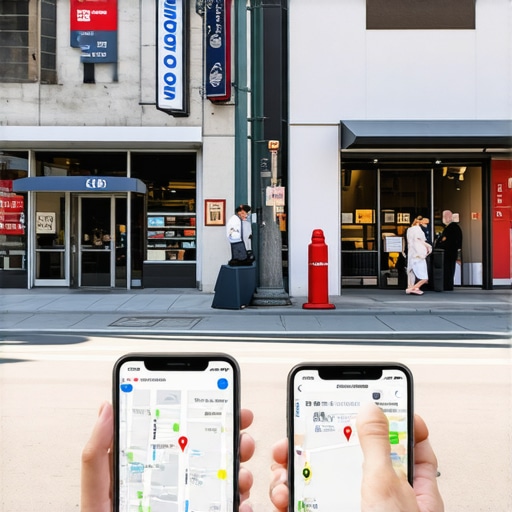
Elevate Your Local Search Presence with Advanced Google Maps Optimization Tactics in 2024
In the rapidly evolving landscape of local SEO, mastering Google Maps optimization is no longer optional but essential for any business seeking sustained growth and visibility. As we approach 2024, understanding the intricate factors that influence local rankings becomes critical. This article dissects sophisticated techniques that leverage the latest algorithm updates, user engagement metrics, and technical SEO enhancements to turbocharge your local search performance.
The Dynamics of Local Search Algorithms: What Experts Need to Know
Google’s local search algorithms now integrate a complex array of signals, including proximity, relevance, and prominence. Recent white papers from Google’s Search Quality team highlight the increasing importance of user engagement metrics such as click-through rates, review quality, and behavioral signals. For instance, optimizing your Google My Business (GMB) profile with precise NAP (Name, Address, Phone number) consistency, strategic keyword inclusion, and rich media can significantly enhance your prominence.
Harnessing Semantic SEO for Map Rankings
The integration of semantic search principles into local SEO strategy is a game-changer. Natural language queries, voice searches, and context-aware searches demand that businesses optimize their GMB profiles and website content with semantically related keywords. This includes implementing structured data markup (Schema.org) to clarify your business type, services, and geographic relevance, which helps Google better understand your offerings and rank accordingly.
Technical Optimization: Beyond the Basics
Technical SEO plays a pivotal role in local ranking success. Ensuring your website is mobile-friendly, fast-loading, and secure via HTTPS directly impacts your local search visibility. Additionally, leveraging Google’s Page Experience signals and core web vitals can optimize your site for both user experience and algorithmic ranking. An often overlooked aspect is implementing a robust local backlink profile—obtaining citations from authoritative local directories and niche industry sources can dramatically boost your local prominence.
Proven Strategies for Enhancing Google Maps Visibility
To outperform competitors in 2024, focus on actionable tactics such as regularly updating your GMB profile with fresh posts, responding to reviews promptly, and utilizing Google Posts to highlight promotions or news. Incorporating high-quality images and videos increases engagement and signals activity to Google’s algorithm. Furthermore, leveraging local link building campaigns and community involvement helps establish authority and trustworthiness—cornerstones of Google’s ranking factors.
What Are the Top Challenges in Maintaining Google Maps Rankings Amid Algorithm Changes?
Maintaining top rankings requires vigilance against evolving algorithm updates, managing reputation carefully, and continuously optimizing for user intent. Many experts debate whether over-optimization might trigger penalties, emphasizing the need for a balanced, white-hat approach rooted in user-centric strategies. Staying informed through authoritative sources like Google’s official blog ensures your tactics align with current best practices.
For those aiming to refine their local SEO mastery, exploring comprehensive resources such as Mastering SEO for Maps can provide invaluable insights. Engage with industry peers and contribute your expertise to foster community-driven growth—your insights could be the key to breaking into the top local rankings.
In conclusion, staying ahead in Google Maps optimization involves a multifaceted approach that combines technical excellence, semantic precision, and active engagement strategies. As the local search ecosystem continues to evolve, embracing these advanced tactics will position your business for sustained success in 2024 and beyond.
Unlocking the Power of Local Content Strategies for Maps Rankings
One often underestimated factor in boosting your Google Maps visibility is the strategic creation of local-centric content that resonates with your community. By developing blog posts, videos, and social media updates tailored to local events, news, or landmarks, your business signals relevance and engagement to Google. This approach not only enhances relevance but also encourages local backlinks and citations, further strengthening your local SEO authority. For instance, spotlighting local collaborations or sponsorships can generate authentic backlinks, which are vital in the ongoing battle for top rankings. Dive deeper into proven methods with resources like local SEO content strategies to refine your approach.
Unlock Local Visibility with Hyper-Targeted Keyword Strategies
In 2024, pinpoint accuracy in keyword targeting is paramount. Utilize advanced keyword research tools like SEMrush or Ahrefs to identify long-tail keywords that capture local intent with high precision. Incorporate geo-specific modifiers naturally into your website content, GMB posts, and service descriptions. For example, instead of generic terms like “plumber,” focus on “emergency plumber in Downtown Chicago” to attract highly qualified traffic.
Leverage the Power of Local Schema Markup to Clarify Business Context
Implementing comprehensive Schema.org markup not only enhances your rich snippets but also signals your business relevance with unparalleled clarity. Use LocalBusiness schema to embed your NAP details, operating hours, and service areas directly into your website code. For niche-specific services, extend schemas to include Product or Service markup, which helps Google understand the full scope of your offerings, boosting your local prominence.
Optimize for Voice Search by Anticipating Natural Language Queries
Voice search continues to reshape local SEO, especially with the rise of smart home devices and mobile assistants. Focus on conversational keywords and question-based queries such as “Where can I find a reliable HVAC technician near me?” to capture voice traffic. Structuring your content with FAQ sections and long-form answers optimized for voice snippets can position your business at the forefront of this emerging trend.
What Are the Hidden Technical SEO Factors That Impact Map Rankings?
Beyond the obvious, several subtle technical factors influence local map rankings. These include structured data accuracy, URL canonicalization, and duplicate content management. Google’s algorithms also evaluate your website’s core web vitals—such as page load speed, interactivity, and visual stability—as part of their ranking signals. Regularly auditing your website with tools like Google Search Console and Lighthouse can uncover hidden issues that, once fixed, significantly improve your local visibility.
For an in-depth understanding of these technical intricacies, consult authoritative sources like Google’s Search Central Blog. Staying informed about algorithm updates ensures your strategies remain compliant and effective, preventing costly penalties.
If you’re eager to elevate your local SEO game, consider engaging with specialized resources such as Mastering SEO for Maps. Continuous learning and adaptation are key in the dynamic landscape of local search optimization.
Harnessing Local Content to Reinforce Map Rankings
Content tailored to your community not only fosters engagement but also attracts valuable backlinks and citations. Develop multimedia content around local events, landmarks, or collaborations that resonate with your audience. For instance, sponsoring a local charity event and documenting it on your blog or social channels creates authentic signals of community involvement—an important factor for Google’s trust metrics.

Image prompt: Local community event with business branding, engaging crowd, vibrant atmosphere, relevant to local SEO content strategy.
Unlocking the Secrets of Local SEO Dynamics in 2024
As local search algorithms become increasingly sophisticated, businesses must adapt by leveraging nuanced signals such as behavioral metrics and context-aware ranking factors. Recent research from Google’s Search Quality team emphasizes the rising importance of integrating user engagement insights—like dwell time and review sentiment—into your local SEO strategy. By aligning your Google My Business (GMB) profile with these advanced signals through rich media, precise NAP consistency, and strategic keyword placement, you position yourself ahead of the competition.
Harnessing Deep Semantic Context for Map Rankings
Semantic SEO is no longer optional; it’s essential. Implementing structured data markup (Schema.org) to specify detailed business attributes and service offerings enhances Google’s understanding of your local relevance. For example, embedding LocalBusiness schemas with nested Service and Product schemas allows for a richer contextual signal, improving your chances of ranking for complex voice and natural language queries. This semantic depth ensures your business appears prominently in contextually relevant searches.
Technical Foundations of Local Visibility: Beyond Basic Optimization
Technical SEO intricacies can make or break your local ranking potential. Regular audits using tools like Google Search Console and Lighthouse reveal subtle issues such as canonicalization errors, duplicate content, and core web vitals deficiencies. Ensuring your website is HTTPS-secure, mobile-optimized, and loads within 2 seconds enhances both user experience and algorithmic favorability. Furthermore, cultivating a diverse and authoritative local backlink profile through citations from niche directories and industry-specific portals substantially boosts your local prominence.
Proven Tactics to Dominate Google Maps in 2024
Consistent GMB updates, active review management, and fresh content via Google Posts are critical. Incorporate high-quality images and videos to stimulate engagement signals, which Google interprets as activity and relevance. Running targeted local link-building campaigns, sponsoring community events, and fostering local collaborations amplify your authority and trustworthiness—key components in Google’s ranking calculus. Real-time responsiveness to reviews and leveraging local news can further enhance your profile’s visibility.
What are the most overlooked technical SEO factors influencing local map rankings?
Often underestimated are structured data accuracy, URL canonicalization, and duplicate content issues. Google’s algorithms also assess your site’s core web vitals, including load speed and visual stability, which are crucial for local rankings. Regular website audits with tools like Google Lighthouse can uncover these hidden issues, and fixing them can lead to significant visibility improvements. Staying informed via authoritative sources like Google’s Search Central Blog ensures your strategies remain aligned with the latest ranking signals.
Elevate your local SEO tactics by exploring comprehensive resources such as Mastering SEO for Maps. Continuous learning and strategic adaptation are vital in maintaining a competitive edge in the ever-evolving landscape of local search.
Enhancing Map Rankings Through Community-Centric Content
Developing localized content that resonates with your community fosters engagement and attracts backlinks. Highlighting local events, landmarks, or collaborations through blog posts, videos, and social media updates not only signals relevance to Google but also builds trust within your community. For example, sponsoring local charity events and showcasing your involvement creates authentic signals of community integration, which Google values highly.

Image prompt: Local community event with business branding, engaged participants, vibrant atmosphere, illustrating local content impact on SEO.
Strategic Focus on User Engagement Can Transform Your Map Rankings
Prioritizing user interaction metrics like click-through rates, review sentiment, and behavioral signals offers a competitive edge. Expert practitioners understand that optimizing your GMB profile with consistent NAP, targeted keywords, and multimedia content enhances visibility and user trust, directly influencing local rankings.
Harnessing Semantic and Structured Data Elevates Your Local Authority
Implementing comprehensive Schema.org markup, including LocalBusiness, Service, and Product schemas, provides Google with nuanced contextual signals. This semantic depth improves your chances of appearing prominently in voice and natural language searches, which are increasingly vital in local SEO strategies.
Technical Precision Ensures Sustainable Visibility
Beyond basic optimization, a rigorous audit of your website’s core web vitals, canonicalization, and duplicate content issues is crucial. Maintaining HTTPS security, fast load times, and mobile responsiveness ensures your site meets Google’s technical standards, safeguarding your local search prominence.
Community Engagement and Content Drive Local Relevance
Creating localized content around community events, landmarks, and collaborations signals relevance and fosters backlinks. Sponsoring local initiatives and documenting these efforts not only build genuine authority but also create authentic signals favored by Google’s ranking algorithms.
Expert Resources to Deepen Your SEO Knowledge
- Google Search Central Blog – Essential for staying updated on algorithm changes and best practices directly from Google.
- Schema.org Documentation – Master structured data implementation for enhanced rich snippets.
- Ahrefs and SEMrush Blogs – Advanced SEO strategies with a focus on local and technical optimization.
- Local SEO Guide by Moz – Proven tactics for community-centric optimization.
Reflections from the Top of the Field
Achieving local visibility in 2024 demands a sophisticated blend of semantic understanding, technical mastery, and community engagement. Expert-level optimization hinges on leveraging nuanced signals that go beyond basic listings, ensuring your business not only ranks but sustains prominence. For those serious about dominating local search, continuous learning and strategic adaptation are your strongest allies. Dive into these resources, refine your tactics, and position your business at the forefront of the evolving local SEO landscape.
This article offers a comprehensive look into the multifaceted nature of Google Maps optimization for 2024. I’ve seen firsthand how focusing on semantic SEO and schema markup can really elevate local visibility, especially when combined with community-driven content strategies. The emphasis on technical SEO, like improving page load speeds and fixing duplicate content, often gets overlooked, yet it’s crucial for maintaining strong rankings. I’ve been experimenting with voice search optimization lately, and structuring FAQ sections with natural language questions has noticeably increased my local traffic. I’m curious — what tools or methods do others find most effective for tracking the impact of these advanced strategies on local rankings? It’s interesting how evolving Google’s algorithm makes continuous learning vital, but staying adaptable seems to be the key to long-term success in local SEO.
The post’s emphasis on combining semantic SEO with technical optimization really resonates with my experience. Incorporating structured data and ensuring your website adheres to core web vitals is fundamental, but I’ve noticed that consistent community engagement, like local event sponsorships and fresh content, adds a layer of authenticity that Google seems to reward heavily. I’ve recently started creating mini-video reviews of local landmarks and sharing them on Google My Business. Not only has this boosted my engagement metrics, but it also seems to improve my local rankings progressively. I wonder how others are measuring the ROI of community-driven strategies versus more technical tactics? For small local businesses with limited resources, what balanced approach do you suggest to ensure both aspects are optimally managed without overextending? It’s clear that ongoing testing and adaptation are vital, especially with Google’s algorithm becoming more sophisticated each year.
This article really hits the mark on the complexities of local SEO in 2024. I’ve personally seen how combining semantic optimizations with a strong community presence can make a real difference, especially in competitive markets. One challenge I’ve faced is maintaining a balance between technical SEO improvements and ongoing community engagement—both seem equally critical but require different resources and strategies. I’m curious, for small businesses with limited budgets, what are some cost-effective ways to leverage local content and backlinks without sacrificing technical best practices? Also, I find that consistently updating Google Posts with local news and events helps keep the profile active, but do you think this significantly impacts rankings on its own? Would love to hear how others are measuring the tangible results of these tactics, especially in terms of local traffic and conversions. It’s clear that staying adaptive and diverse in strategies is key to long-term success.