

Empowering Local Businesses Through Strategic Neighborhood Page Optimization
In the competitive landscape of 2026, local businesses must elevate their digital presence by leveraging sophisticated SEO tactics tailored for neighborhood pages. These pages serve as crucial touchpoints for attracting hyper-local traffic, especially when optimized with an expert eye on the latest search engine algorithms and user behavior trends. As search engines become increasingly context-aware, understanding how to refine neighborhood pages can lead to substantial increases in visibility and engagement.
Navigating the Shift Towards Contextual and Intent-Driven Searches
Traditional keyword stuffing is obsolete; instead, aligning neighborhood pages with local intent signals—such as proximity, service relevance, and community engagement—forms the backbone of successful SEO. Incorporating geo-enhanced schema markup and localized content tailored to specific neighborhoods enhances relevance, especially for map-based searches. Research indicates that schema.org’s LocalBusiness schema remains a foundational tool for this purpose, facilitating search engines’ comprehension of your service area’s nuances.
How Can Edge Segmentation Elevate Neighborhood Page Performance?
Description of edge segmentation involves creating targeted micro-landing pages for distinct neighborhoods, each optimized with localized keywords and dynamic content modules. This method not only improves SERP rankings but also enhances user experience by providing hyper-relevant information, fostering trust and conversions. For example, tailoring service descriptions, customer testimonials, and community-specific offers bolster relevance in the eyes of sophisticated search algorithms.
Exploiting Map Pack Optimization for Hyper-Local Visibility
In 2026, optimizing for local packs requires a nuanced approach that transcends basic NAP citations. Enhancing Google Business Profile (GBP) signals—such as responding to reviews, updating service menus, and leveraging Google Posts—can significantly impact rankings. An integrated, data-driven approach that aligns GBP tuning with neighborhood page tweaks creates an authoritative footprint, pushing your business into the coveted map pack zones.
What Proven Strategies Can Outperform Competitors in Neighborhood-Level SEO?
Winning at hyper-local SEO necessitates combining schema enhancements, review velocity management, and content personalization. Employing tools for local keyword research focused on latent intent, alongside strategic backlink acquirement within community portals, can outrank larger chains. According to Moz’s recent guide on local SEO, consolidating these tactics with continuous performance analytics ensures sustained growth and dominance in neighborhood searches.
For those seeking to deepen their expertise, explore our comprehensive guide on neighborhood page tactics designed specifically for 2026’s evolving search landscape. Share your insights or ask questions—your experience could shape the next wave of local SEO innovation.
Harnessing AI for Hyper-Localized Content Personalization
As AI-driven search continues to evolve, customizing neighborhood pages with intelligent content tailored to specific community interests becomes a game-changer. Implementing AI tools that analyze local search trends and user engagement metrics enables your business to deliver dynamic content—such as personalized offers, event highlights, or community news—that resonates deeply with visitors. Leveraging such technologies not only boosts user satisfaction but also signals to search engines that your pages are highly relevant, reinforcing your dominance in local search results.
Can Your Website’s Architecture Support 2026’s Advanced Local SEO Demands?
Beyond high-quality content, an optimized technical foundation is crucial for long-term success. Ensuring your website employs a mobile-friendly, fast-loading, and schema-rich architecture helps search engines crawl and index neighborhood-specific pages effectively. Implementing structured data for individual neighborhoods, regions, or districts—using nested schema markup—can further enhance local relevance. Regularly auditing your website’s technical health using tools like Google Search Console or third-party SEO audits ensures these critical aspects remain aligned with the latest search engine algorithms.
< >
>
For actionable insights on advanced technical SEO, consult our detailed guide on local SEO strategies for 2026. Sharing your experiences or challenges can foster community learning and drive collective success in local digital marketing.
Optimizing for Voice Search: The Next Frontier in Neighborhood SEO
With voice search gaining prominence, embedding conversational keywords and natural language queries into neighborhood pages can significantly improve visibility. Developing FAQ sections that answer specific community concerns or local service questions in a natural tone aligns your content with voice search intent. Tools that analyze voice search patterns reveal that long-tail, question-based keywords often outperform traditional keywords, making this approach essential for future-proofing your SEO efforts.
Are Your Local Strategies Prepared for 2026’s Voice Search Surge?
Effective integration of voice search optimization requires an understanding of how users naturally speak about their local needs. Combining schema markup with voice-friendly content allows search engines to connect your neighborhood pages to voice queries more efficiently. Staying ahead involves continuous monitoring of voice trends and adjusting your content strategy accordingly.
Explore our comprehensive resource on winning local voice search strategies, and consider sharing your insights or questions—your input could influence the next wave of innovative local SEO solutions.
Sculpting the Local Landscape for Maximum Visibility
As digital ecosystems evolve, local businesses must transcend basic SEO tactics and embrace a multi-layered approach that integrates micro-moment optimization, predictive analytics, and community-centric content. This strategic fusion enables hyper-targeted engagement, ensuring your neighborhood pages not only rank higher but also foster authentic community trust. Incorporating rich snippets, such as Q&A sections with schema markup, and leveraging localized intent signals—like nearby events or regional partnerships—can dramatically enhance your presence in the local SERPs.
Harnessing Data-Driven Personalization to Drive Community Engagement
Beyond static content, dynamic personalization powered by machine learning algorithms transforms neighborhood pages into interactive hubs of relevance. By analyzing real-time search behavior, social interactions, and community feedback, your site can present tailored offers, personalized testimonials, and local event recommendations. Such hyper-personalization not only improves user experience but also signals increased engagement signals to search engines, fostering higher rankings. Implementing tools like Google’s RFH (Responsive Feedback Hub) integrations can facilitate this adaptive content strategy effectively.
What Are the Nuances of Local Semantic Clusters in Competitive Neighborhood SEO?
Building semantic clusters around community-specific themes—such as local festivals, historical landmarks, or neighborhood-specific services—creates a topical authority that search engines recognize and prioritize. Leveraging advanced keyword clustering and latent semantic indexing (LSI) techniques enables your content to cover broad and nuanced facets of community interests. Moz’s advanced keyword research tools or Google’s BERT updates can inform these strategies, ensuring your content aligns intricately with community search intent and surpasses competitors in complexity and relevance. Understanding and implementing these semantic layerings is instrumental in establishing an indomitable local digital presence.
To delve deeper into these sophisticated methodologies, explore our detailed analysis on advanced local SEO tactics for 2026. Sharing your experiences or posing questions here not only enriches your strategy but also contributes to the collective knowledge of high-impact local digital marketing.
Integrating Augmented Reality for Immersive Neighborhood Experiences
As augmented reality (AR) technology matures, integrating immersive experiences into neighborhood pages offers a cutting-edge way to captivate local audiences. Imagine virtual tours of community landmarks, AR-driven promotions at nearby stores, or interactive maps that blend physical and digital realms. These innovations can significantly improve user engagement metrics, extend dwell time, and generate backlinks from local media outlets eager to showcase innovative community stories. Successfully deploying AR features requires meticulous technical planning—ensuring seamless integration with your existing infrastructure and adherence to accessibility standards.
Is Your Website Architecture Ready for the Next Wave of Local Search Complexity?
The backbone of robust local SEO in 2026 hinges on a resilient, modular website structure capable of rapid adaptation. Employing a siloed architecture with nested schema markups for districts, neighborhoods, and zones facilitates precise crawlability and indexing. Additionally, implementing progressive web app (PWA) standards ensures lightning-fast load times on mobile devices—a critical factor given the rise of mobile voice and visual searches. Regularly auditing your site with tools like Screaming Frog or Sitebulb and adopting an agile content management system (CMS) setup allows continuous optimization aligned with evolving search algorithms.
< >
>
For strategic insights into building future-proof local websites, consult our expert guide on building scalable SEO-friendly websites for 2026. Your feedback and shared experiences can ignite new innovations in hyper-local search domination, so stay engaged and keep pushing the boundaries of what’s possible in local digital marketing.
Harnessing Semantic Precision to Outrank Local Competitors
In the fiercely competitive arena of neighborhood SEO, leveraging semantic depth transcends mere keyword stuffing. Developing semantic clusters around community landmarks, events, and regional specialties enhances topical authority, enabling search engines to recognize your page as an authoritative source. Employing tools such as Google’s BERT and LSI techniques allows for nuanced content creation that aligns with user intent, thus dramatically improving your visibility across diverse local queries.
Implementing Micro-Moments for Strategic Engagement
Micro-moments—those critical instances when consumers turn to their devices for immediate information—are golden opportunities for hyper-local businesses. Designing neighborhood pages with tailored content that anticipates and addresses these moments, such as “Where to find authentic artisanal bread near Riverside” or “Best pet grooming services this weekend,” positions your business as the go-to solution. Incorporating structured data and local intent cues ensures that your content surfaces precisely when potential customers need it most.
Can Visual Search Revolutionize Neighborhood Exploration?
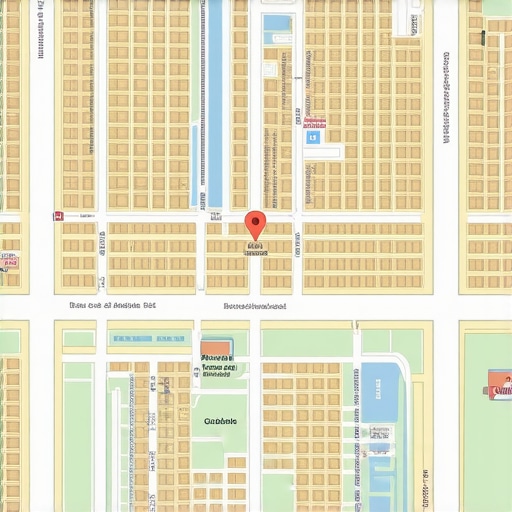
As visual search technology matures, integrating high-quality images and 3D rendering into neighborhood pages becomes pivotal. Implementing rich visual assets—virtual tours, panoramic images, or AR-enhanced maps—facilitates discovery by users who prefer visual browsing. Coupled with schema markup and descriptive alt text, these elements can boost your presence in emerging visual search results, attracting a new demographic of local explorers eager for immersive community insights. Staying ahead entails continuous investment in visual content quality and technical optimization.
< >
>
For a deeper dive into harnessing visual search for neighborhood SEO, explore our in-depth tutorial on visual search strategies tailored for 2026. Share your experiences or ask questions—advancing your local SEO game depends on innovative exchanges within our community.
Evolving Website Structures to Match Search Sophistication
Modern local SEO demands websites with agile, hierarchical architectures that facilitate granular targeting of neighborhoods and districts. Implement nested schema markup that reflects geographic subdivisions, enabling search engines to contextualize content more precisely. Adopting a modular CMS approach allows rapid updates tied directly to neighborhood dynamics—such as seasonal events or demographic shifts—ensuring your content remains relevant and authoritative in the ever-changing local landscape.
Proactive Reputation Management as a Growth Catalyst
Beyond technical SEO, cultivating a robust review ecosystem and managing community feedback in real-time can propel your neighborhood prominence. Advanced reputation management strategies involve not only soliciting reviews but also analyzing sentiment through AI tools, enabling tailored responses that resonate trust and authenticity. Local business directories, social proof, and targeted review campaigns create a feedback loop that search engines interpret as signals of reliability, significantly impacting your rankings and user trust.
<>
Explore our comprehensive guide on advanced reputation management techniques designed for competitive neighborhoods. Your insights or questions could spark new innovations—join the discussion and elevate your community presence.
Optimizing for Local Discoverability Through AI-Driven Personalization
Artificial intelligence offers unprecedented opportunities to deliver hyper-personalized neighborhood experiences. By analyzing real-time search queries, social engagement patterns, and regional trends, AI tools generate dynamically tailored content—special offers, community news, or localized event alerts—that resonate with individual user profiles. This not only enhances engagement metrics but also signals to search engines that your pages deliver high relevance, reinforcing your dominance in ultra-local search results.
Is Your Site Cerebrally Equipped for 2026’s Search Complexity?
A resilient technical foundation becomes indispensable as neighborhood SEO evolves into a multi-layered, intelligent system. Incorporating progressive web app (PWA) standards ensures speedy, reliable mobile experiences, while nested schema markup breaks down geographic hierarchies into digestible, crawlable units. Regular site audits focusing on schema accuracy, page speed, and mobile responsiveness safeguard your visibility against algorithmic shifts, maintaining your edge in an increasingly sophisticated search ecosystem.
<>
Unlock the secrets to future-proof local SEO with our expert insights on building resilient, scalable neighborhood websites for 2026. Your active participation and shared strategies enrich our collective pursuit of local digital excellence, so keep innovating and collaborating.
Insights That Redefine Local SEO Tactics
Think Beyond Keywords to Contextual Signals: As search engines advance, local SEO success hinges on interpreting user intent through contextual cues like community involvement and service relevance rather than relying solely on traditional keywords. This shift demands integrating rich schema markup and localized content that resonate with both algorithms and community identity.
Leverage Micro-Influence Within Communities: Cultivating relationships with local micro-influencers and community leaders can amplify your reach. Their endorsements serve as trust signals for search engines, boosting your neighborhood page authority and fostering authentic engagement that algorithms recognize and reward.
Prioritize Technical Foundations for Scalability: A fast, mobile-responsive, schema-rich website architecture isn’t optional anymore; it’s foundational. Regular technical audits ensure your infrastructure supports complex localized content and dynamic personalization, making your SEO efforts adaptable to evolving algorithms.
Expert-Backed Resources for Deepening Your Knowledge
- Google’s Local SEO Guide: Offers the latest insights directly from the search engine giant, essential for understanding the evolving landscape.
- Moz Local Search Ranking Factors: Provides an authoritative analysis of what truly influences local pack visibility and how to optimize effectively.
- BrightLocal’s Local SEO Tools: Practical tools and case studies that help translate strategies into measurable results.
- Search Engine Journal’s Local SEO Articles: Current, practitioner-focused content covering industry trends and advanced tactics.
- Neil Patel’s Local SEO Blog: Actionable tips from a seasoned expert, often incorporating innovative approaches and emerging techniques.
A Forward-Looking Perspective on Neighborhood SEO
In 2026, reigning supreme in local search requires embracing an integrated approach: combining nuanced understanding of user intent, sophisticated technical architecture, and authentic community engagement. The landscape will continue to evolve, but your commitment to expert strategies and resourceful adaptation will define your success. Dive into these resources, experiment relentlessly, and engage with your community to forge a truly dominant local digital presence. Your insights and experiences are invaluable—share them, challenge assumptions, and lead the way in innovative neighborhood SEO practices.