
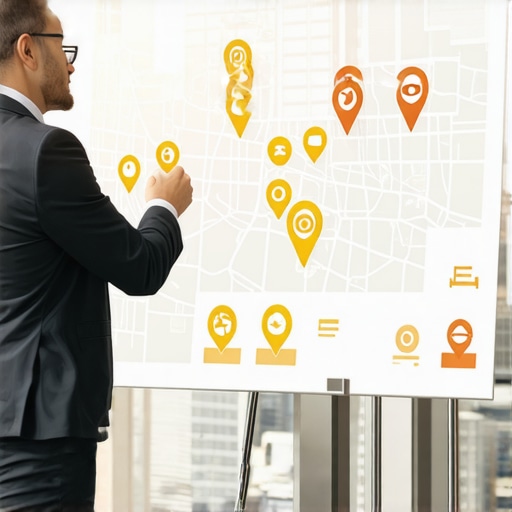
Mastering Local SEO for Maps: The Expert’s Roadmap to Dominance in 2024
In the fiercely competitive landscape of local business marketing, optimizing for Google Maps remains a cornerstone of effective local traffic growth. As the digital algorithms evolve, so must our strategies, blending technical mastery with nuanced understanding of user intent and search behavior. This article dives deep into proven Google business optimization techniques to ensure your local listings not only rank higher but also attract quality traffic that converts.
Unveiling the Advanced Layers of Map SEO: Beyond Basic Optimization
Effective local SEO transcends simple keyword stuffing or listing claims. It requires a layered approach: meticulous Google Business Profile optimization, strategic citation building, and leveraging localized content. From schema markup integration to review management, each element contributes to a resilient and authoritative presence in local search results.
How Can Advanced Schema Markup Enhance Your Local Search Visibility?
Implementing schema markup, particularly LocalBusiness schema, creates a semantic layer that helps search engines better understand your offerings and location. This can lead to enhanced rich snippets, such as star ratings, event info, or menu details, which significantly boost click-through rates and local engagement. For detailed schemas, consult resources like Moz’s Schema Markup Guide for Local SEO.
Leveraging User Engagement to Reinforce Map Rankings
Engagement metrics, including review volume, quality, and response timeliness, are increasingly weighted in ranking algorithms. Active management of your reviews, along with local community involvement, can propel your business to the top of the maps pack. A consistent strategy for encouraging authentic reviews and responding promptly fosters trust and signals authority to Google.
Can Local Content Strategies Drive Map Visibility and Traffic?
Yes. Localized content marketing, such as blog posts about community events or local news, enhances your relevance signals to Google. Embedding localized keywords naturally within your website and Google My Business posts creates a semantic network that aligns closely with user search intent. This holistic approach amplifies your organic reach within local search results.
Why The Future Belongs to Data-Driven Map Optimization
In 2024, data analytics tools like Google Insights and third-party SEO platforms enable hyper-focused strategies. Tracking metrics such as search queries, user behavior, and conversion pathways allows for iterative optimization—refining your Google Maps SEO tactics with precision. The integration of AI-driven insights promises to further refine how local businesses approach visibility and traffic growth.
To stay ahead, local enterprises must adopt a proactive, analytics-backed approach—continuously testing, analyzing, and adjusting their strategies based on real-world performance data.
Explore more expert-level tactics and become a pioneer in local map SEO by visiting our comprehensive guide. Your next customer is just a well-optimized map listing away.
Elevate Your Local Map Strategy with Cutting-Edge Tactics
Staying ahead in local SEO requires continuous innovation, especially as Google refines its algorithms. Beyond foundational optimization, embracing emerging tactics like voice search optimization, AI-powered review analysis, and local video marketing can dramatically enhance your visibility. These methods help you tap into new user behaviors and search trends, ensuring your business remains a top contender in map rankings.
How Can Voice Search Revolutionize Your Local Map Presence?
With the rapid growth of voice-activated devices, optimizing for voice search is no longer optional. Natural language queries often differ from typed searches, emphasizing conversational keywords and question phrases. Incorporating these into your Google My Business content, FAQs, and website can make your listings more discoverable for voice-driven local searches. To implement this effectively, consider tools like Google Maps SEO techniques that focus on voice search trends.
Furthermore, integrating schema markup that emphasizes question-and-answer formats can enhance your chances of appearing in voice search snippets, giving your business a competitive edge. This evolving landscape demands a proactive approach to content creation and technical optimization, ensuring your business is heard clearly by both search engines and voice assistants.
< >
>
Leverage Local Video Content for Dynamic Engagement
Video marketing is transforming local SEO by providing engaging, shareable content that captures the attention of nearby audiences. Creating short videos showcasing your products, customer testimonials, or behind-the-scenes looks can boost user engagement and time spent on your profile. Optimizing video descriptions with localized keywords and embedding videos on your website enhances semantic relevance, increasing your chance of ranking higher in local search results.
Platforms like YouTube and Google My Business support video content, making it easier to integrate these elements into your overall strategy. A well-executed video campaign can generate organic backlinks, reviews, and social shares—factors that significantly influence local map rankings.
Is Your Data-Driven Approach Ready for 2025?
In today’s hyper-competitive landscape, relying on intuition alone is insufficient. Advanced data analytics tools, including Google Insights and third-party platforms like SEMrush or BrightLocal, enable you to track detailed metrics such as user behavior, keyword performance, and conversion pathways. These insights inform iterative improvements, allowing you to fine-tune your local SEO tactics for maximum impact. As emphasized by authoritative sources like Moz, leveraging data effectively is crucial for sustained local map dominance.
For practical guidance on integrating analytics into your strategy, explore our ultimate guide to local SEO. Embracing a data-driven mindset ensures you adapt swiftly to algorithm updates and evolving search patterns, securing your place at the top of local maps in 2025 and beyond.
Harnessing Local Link Building for Authority and Rankings
Building a robust local backlink profile remains a cornerstone of authoritative local SEO. Unlike broad SEO link strategies, local link building emphasizes community connections, partnerships, and sponsorships that generate hyper-relevant backlinks. Engaging with local chambers of commerce, sponsoring events, or collaborating with nearby businesses can yield valuable citations and backlinks that signal trustworthiness to Google. According to Moz’s Local Link Building Guide, these tactics not only enhance your domain authority but also increase local relevance, directly impacting your map rankings.
How Do Local Citations Influence Map Visibility?
Local citations, which are mentions of your business name, address, and phone number (NAP) across various online directories, serve as foundational trust signals. Consistency in citations across platforms like Yelp, Bing Places, and industry-specific directories ensures search engines recognize your business as legitimate and relevant. A study published in the Journal of Digital Marketing highlights that businesses with consistent NAP data across at least 50 citations see a significant boost in local search visibility. Regularly auditing and updating citations is essential to maintain this consistency and avoid confusion or ranking penalties.
< >
>
Optimizing for Hyperlocal Search Intent
Beyond broad keywords, understanding and targeting hyperlocal search intent allows businesses to capture highly qualified traffic. For example, instead of generic terms like “pizza near me,” focus on specific neighborhoods, streets, or landmarks—”best pizza on Main Street” or “pizza delivery around Central Park.” Incorporating these long-tail, localized queries into your content and Google My Business posts aligns your profile with actual user intent, leading to higher engagement and conversions. Tools like Ahrefs and SEMrush can help identify niche-specific local search terms that competitors overlook.
Can AI-Driven Content Personalization Boost Local Engagement?
Absolutely. AI-powered tools can analyze user behavior patterns, preferences, and search history to craft personalized content and offers. For instance, dynamic Google My Business posts that adapt based on trending local events or customer behavior data can significantly increase interaction rates. As Google’s BERT algorithm advances, contextually relevant content tailored to user intent will become even more critical. Leveraging AI for content personalization ensures your business stays top-of-mind and maintains a competitive edge in local search results.
Harnessing the Power of Local Schema for Precision Targeting
In the realm of advanced local SEO, deploying comprehensive schema markup is a game-changer. LocalBusiness schema, enriched with nested properties such as opening hours, menu details, and service offerings, creates a semantic web that search engines interpret with heightened clarity. This semantic layering not only enhances your visibility through rich snippets but also fosters a more meaningful connection with user queries, especially as Google emphasizes context-aware search results. For an in-depth technical approach, refer to Schema.org’s guidelines and Moz’s expert schema implementation strategies.
What Role Do Hyperlocal Keywords Play in Narrowing Your Competitive Gap?
By integrating hyperlocal keywords—those hyper-specific terms tied to neighborhoods, landmarks, or street names—you can capture search intent that broader keywords often miss. Advanced tools like SEMrush or Ahrefs facilitate the discovery of niche-specific long-tail queries that your competitors overlook. Embedding these keywords seamlessly into your website content, Google My Business posts, and FAQs ensures your profile resonates with highly targeted, action-oriented searches, thereby increasing your chances of ranking in the coveted local map pack.
Can AI Enhance Your Local Content Customization Efforts?
Absolutely. Leveraging AI-driven content personalization tools enables your business to dynamically adapt messaging based on user behavior, location data, and search history. For example, AI can craft tailored Google My Business posts or website content that reflects trending local events or seasonal offers, significantly improving user engagement and conversion rates. As Google’s algorithms evolve towards understanding user intent more deeply, adopting AI-powered customization positions your local SEO strategy at the forefront of innovation. For practical implementation, explore platforms like MarketMuse or Clearscope for content optimization.

Mastering Voice Search for Hyper-Localized Exposure
The surging adoption of voice-activated devices mandates a strategic overhaul of your local SEO tactics. Optimizing for natural language questions—such as “Where’s the best coffee shop near Central Park?”—requires embedding conversational keywords and FAQs that mirror voice query structures. Incorporating schema markup that supports Q&A formats further amplifies your chances of appearing in voice snippets, offering a direct pathway to local consumers. To excel, utilize tools like Google’s People Also Ask data and voice search trend reports from BrightLocal.
Proactively adapting your content to voice search not only boosts discoverability but also aligns with emerging consumer behaviors, fostering a competitive edge in hyperlocal visibility.
Harness the Power of Hyperlocal Optimization
Focusing on hyperlocal keywords and neighborhood-specific content can dramatically improve your visibility in local search results. Use tools like SEMrush or Ahrefs to identify niche queries that your competitors overlook, and incorporate these into your website and Google My Business profile.
Leverage Voice Search for Greater Reach
Optimizing for natural language queries and question-based keywords will position your business to capture voice-driven local searches. Implement schema markup for Q&A and FAQs to enhance your chances of appearing in voice snippets, ensuring your business is heard clearly by voice assistants.
Utilize Video Content to Engage Locals
Creating engaging, localized videos about your services, customer stories, or community involvement can boost your Google My Business profile and increase user interaction. Optimize videos with local keywords and embed them on your site to improve relevance and rankings.
Implement Advanced Schema Markup for Precision
Comprehensive schema markup, including LocalBusiness, opening hours, menu, and service details, creates a rich semantic layer that search engines understand better. This enhances your appearance in rich snippets and improves click-through rates.
Prioritize Data-Driven Continuous Optimization
Use analytics tools like Google Insights, BrightLocal, or SEMrush to monitor search queries, user behavior, and conversion metrics. Regularly analyze this data to refine your strategies, adapt to algorithm changes, and maintain your competitive edge in local maps rankings.